

Think patient. Think applicator.
Because prescribing the right garment is only part of the solution.
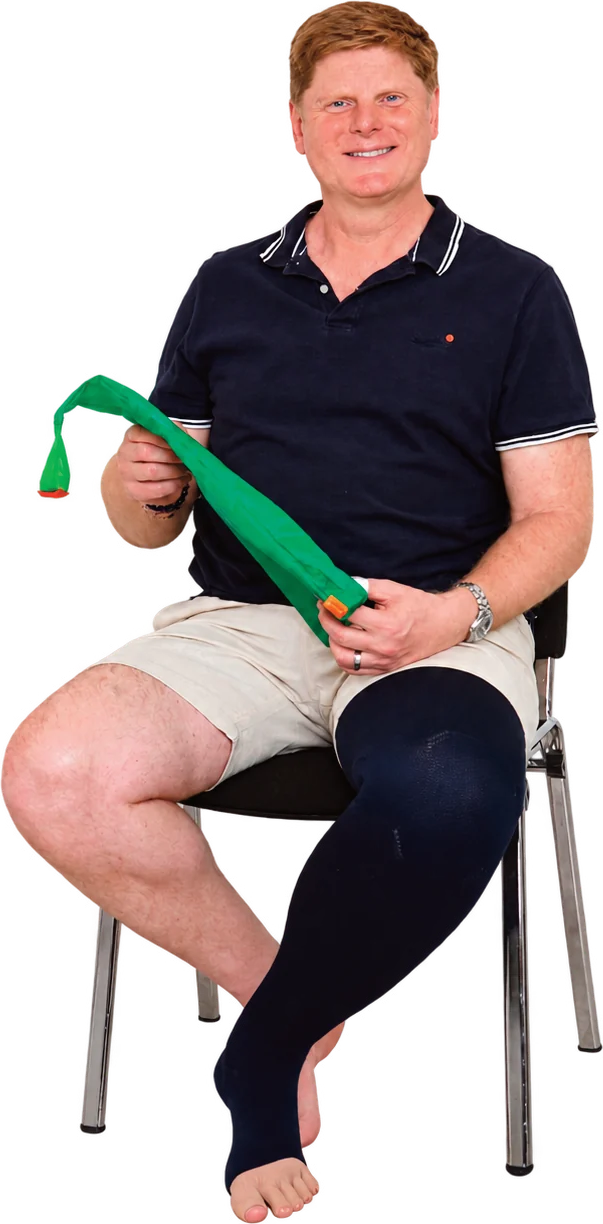
Think Applicator is a Daylong Direct campaign with Arion Slide Solutions and patient advocate Matt Hazledine. It asks healthcare professionals to assess how a patient will put their compression on at the point of prescribing, not only after they begin to struggle.
With an aid, 9 in 10 could.1
In a study of people over 65 with severe venous disease, 9 in 10 put on their compression stockings with a donning aid. Sippel et al., 2015: 36 of 40 people with an aid and 24 of 40 without, using one type of stocking. A small study.
Can your patient actually use the compression you prescribe?


Why application matters
Compression can only support the treatment plan when the patient or carer can apply it correctly and consistently. Patients unable to apply compression independently rely on nurses, carers or clinic visits, increasing pressure on NHS resources. Their condition can also become worse.
Dexterity and mobility
Reduced grip, joint stiffness or restricted shoulder movement point to specific aids.
Who will apply
Patient, family member or carer: consider their strength, confidence and availability.
Skin condition
Fragile, sensitive or compromised skin needs a low-friction applicator to avoid trauma on application.
Comorbidities
Arthritis, neuropathy, visual impairment or obesity can affect both the ability to self-apply and the aid required.
Type of compression
Hosiery, wraps or flat-knit systems each need a different applicator technique.
Limb shape and size
Irregular, oedematous or heavily contoured limbs may need an adjustable or wide-frame applicator.
Six factors to consider, based on findings reported in the sources below.
These figures come from small studies and are presented as findings, not as a general claim that an applicator guarantees adherence or outcomes. Full references are in the resources section.
Assessing application at first fitting can identify barriers, improve technique and support greater independence at home, reducing avoidable care and supporting the NHS shift towards prevention and community-based care.
Meet Matt Hazledine
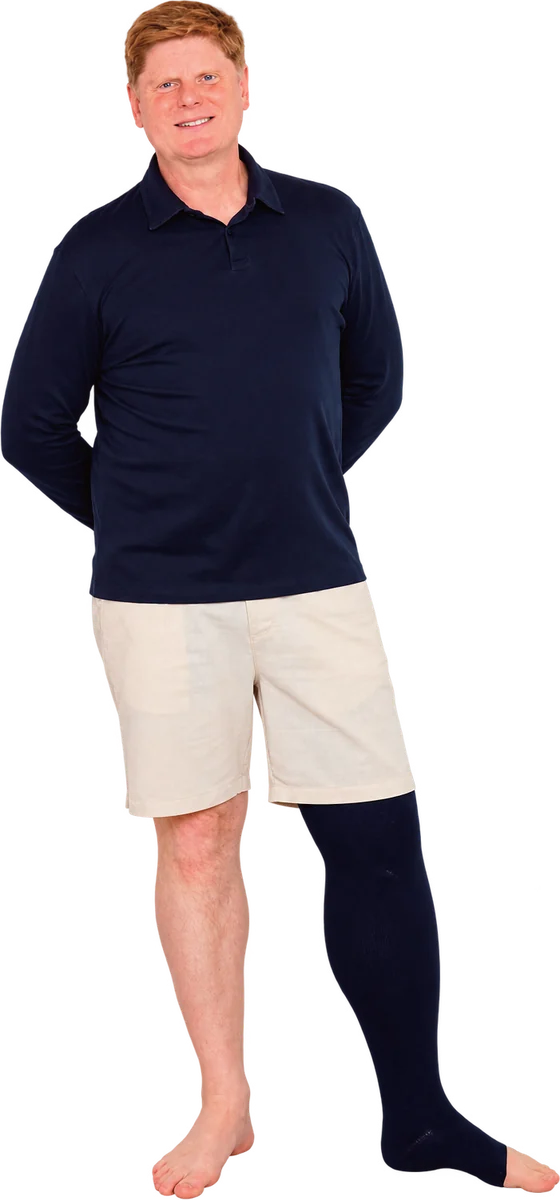
Matt is the founder and managing director of Lymphoedema United, an author and a patient advocate. He lives with lower-limb lymphoedema and wears compression every day as part of the long-term management of his condition.
Matt wears a class 2 garment at night and a class 4S made-to-measure flat-knit stocking during the day. He understands why compression matters, but he also understands the physical work required to apply it.
When Matt first began wearing compression, he was not given a suitable application aid. For 15 years he relied on his own hand strength, grip and technique. As the repeated task became harder, including back pain and the effect of trigger finger in his thumbs, application became a growing daily challenge.
Matt's experience is why he believes application should be discussed from the start. People should not need to struggle, place avoidable strain through their hands and back, risk damaging garments or become dependent on another person before an applicator is considered.
Think applicator when you prescribe compression garments, as your patients may not know a solution exists.”
Matt Hazledine, patient advocate and founder of Lymphoedema United

Read the transcript
Can you tell me a little about when you were diagnosed and your journey to where we are today?
I was diagnosed with lymphoedema in 2011, after a severe bout of cellulitis hospitalised me for two weeks. During that two-week stay, when they were fighting to get the infection under control, my left leg started to swell. The day before or the day of discharge, I was told I had lymphoedema and to pick up a pair of stockings from the supply room on the way out. So that's the early diagnosis, which was quite terrifying: a daunting lack of information. But 15 years later, things are fortunately in a completely different place.
How does living with lymphoedema affect you?
That's a good question. I think it affects most people on a daily basis. Me personally, I'm clumsy. My left leg is bigger than the right leg, so I'm always banging into things, or I'll find the table leg and knock over the glasses. But it's not just the clumsiness. It's life changing, and you have to adapt in many, many ways: skincare, compression, a healthy lifestyle, and being compliant or concordant with the guidance given by the clinician.
How does wearing compression impact your daily activities?
Compression impacts my daily activities. First of all, it's a daily ritual first thing in the morning: skincare, compression, making sure that the garment's worn properly and effectively. That takes time. It's not an easy job to put compression garments on, and they can be quite uncomfortable if they're not fitted correctly. So properly fitted garments are very important for making sure that I wear them daily. And I'm in a position where I have to wear compression 24-7, so at night time I wear a class 2. So it does impact my daily life.
Going back to the early years of lymphoedema, I felt embarrassed about wearing compression in public, so I didn't wear shorts for over ten years. Even on the hottest summer's day, I'd be in linen trousers.
Can your patient actually use the compression you prescribe?
Assess application at the first fitting. Identify practical barriers, match the aid to the patient and garment, check technique and confidence, and prescribe support where appropriate.
Application should be part of product choice
NICE advises that compression-product decisions should take account of the person's physical health, ability to carry out day-to-day tasks, adherence, ability to put the product on and the availability of informal support. NICE also states that supplementary items such as hosiery applicators should be offered through formularies or GP prescribing when appropriate.
In a small NHS service evaluation involving 26 healthcare professionals, 96% identified application difficulty as a reason for non-concordance, and the paper reported that 79% of patients experienced difficulty applying hosiery.
Make application part of the assessment
at the right time, for better outcomes-

Assess
Can they apply compression independently?
Check reach, mobility and application difficulties.
Ask how the garment will be applied and removed. Check grip, dexterity, shoulder and back movement, vision, pain, skin condition, limb shape, garment style, compression level and the support available at home.
-

Identify
What support do they need?
Match the right applicator to the patient and garment.
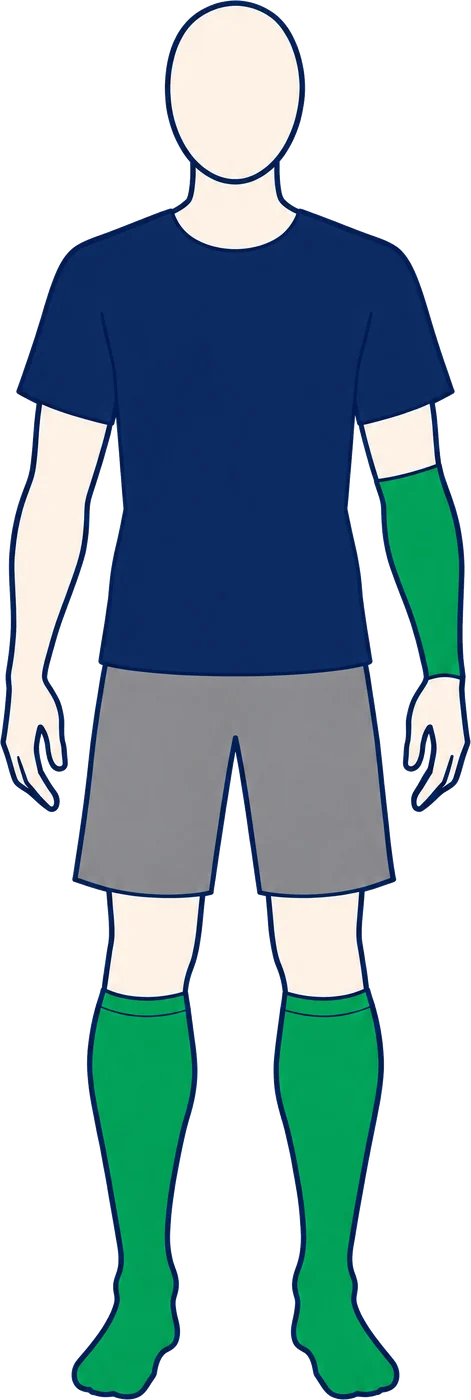
Easy-Slide is for open-toe leg hosiery. Magnide is for open- or closed-toe leg hosiery. Easy-Slide Arm is for medical compression arm sleeves. Confirm that the user or carer can reach the limb and manage the technique.
-

Prescribe
What solution do they need?
Provide the applicator and guide them how to use it.
Where clinically appropriate, provide the aid at the same time as the garment rather than waiting for difficulty to develop. Demonstrate it with the patient's own garment and ask the patient or carer to repeat the technique. Give written and video instructions, record who will apply the garment and use the current product codes and prescription request form.
-

Review
Is the applicator still the right fit?
Review the patient's needs, garment and ability to use the applicator.
Check garment position, comfort, confidence, skin, removal of the aid and whether the size is still right. Reassess if the garment, limb shape, strength or available support changes.



Application assessment prompts
| Consider | Questions to ask |
|---|---|
| Garment | Open or closed toe? Stocking, tights or arm sleeve? Circular-knit or flat-knit? What compression level and length? |
| Reach and mobility | Can the patient reach the foot, lower leg or arm safely? Can they maintain a stable position? |
| Strength and dexterity | Is grip, thumb or finger function, joint movement or shoulder strength limited? |
| Limb and skin | Is there marked oedema, shape distortion, fragile skin, a wound dressing or a heavily contoured limb? |
| Support | Will the patient apply the garment independently, or will a family member or carer help? Is that support reliably available? |
| Learning and review | Can the user understand and repeat the technique? When will fit, confidence and wear of the aid be reviewed? |
A textile applicator reduces friction and effort but may still require reach. Assess support if needed, demonstrate with the patient's own garment, and ask them to repeat the technique to check fit and confidence. Use the correct size, follow the instructions for use and consider another method if the aid does not match the patient's ability.
Give people the right tools to make donning their compression easier from the start.
Matt's experience shows why waiting for a patient to fail, struggle or become dependent is the wrong point to begin the application conversation.
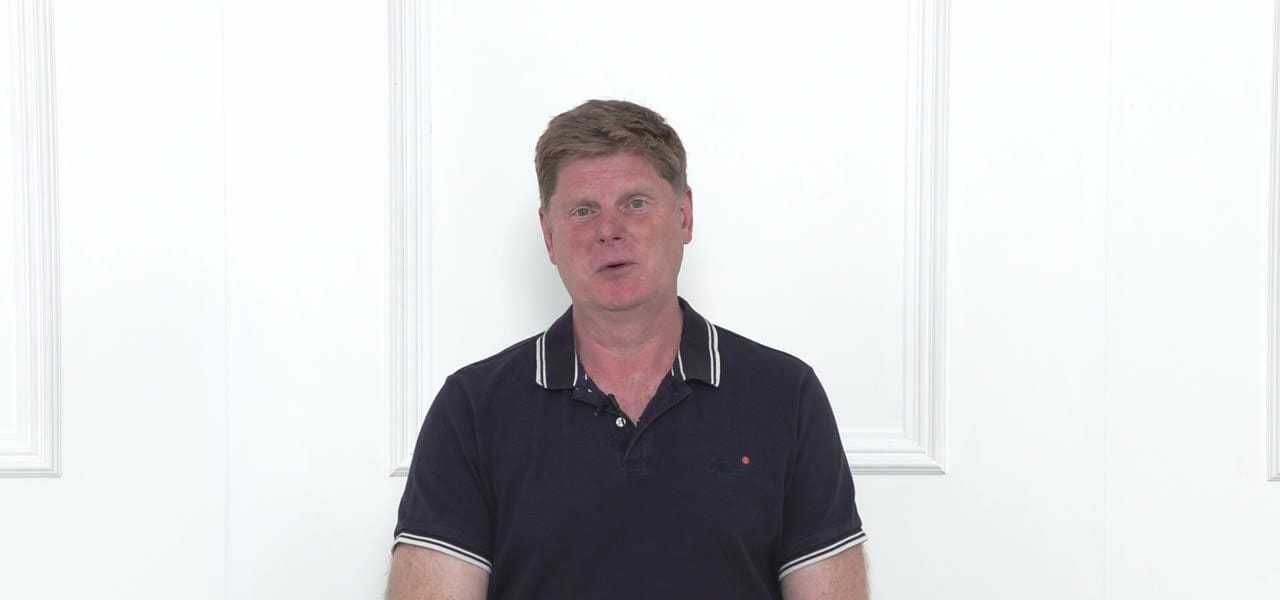
Compression should support your life, not become a daily struggle
If you find it difficult to put on your compression stocking, tights or arm sleeve, you are not alone. Reach, grip, joint stiffness, pain, swelling, skin sensitivity and the design of the garment can all make application harder.
An application aid may make the daily routine easier for you or for the person helping you. The right aid depends on your garment and your individual ability, so speak to your healthcare professional before choosing.
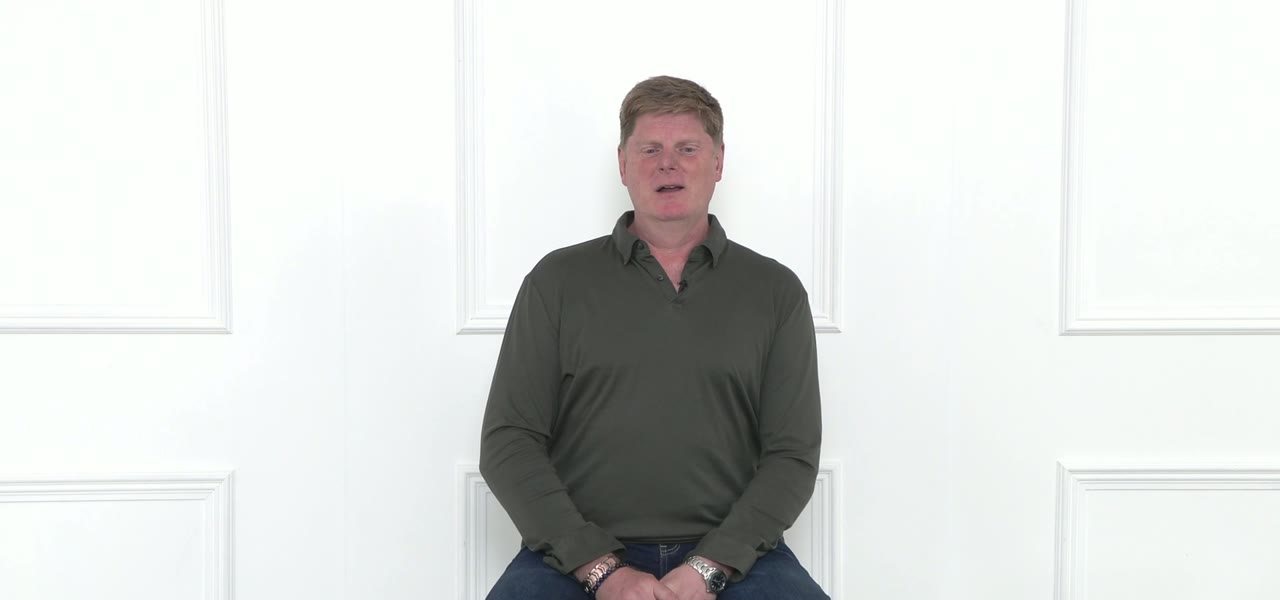
Why Matt joined Think Applicator Matt to approve
Matt Hazledine lives with lower-limb lymphoedema and wears high-level compression every day. He understood the importance of compression, but for many years he did not know that a suitable application aid could reduce some of the physical work involved.
For 15 years Matt used his own hand strength, grip and technique. As application became harder, the repeated task placed increasing strain on his routine. His message is simple: ask about application support early, before the struggle becomes normal.
Finding application difficult?
Keep wearing it as advised
Do not stop or change prescribed compression without speaking to your healthcare professional. Contact them if the garment is painful, damages the skin, no longer fits or cannot be applied safely.
Talk about the problem
Explain exactly which part is difficult: reaching the foot, getting over the heel, pulling the garment up, applying an arm sleeve or removing the aid. This helps identify the right support.
Ask about an aid
An aid can reduce friction and pulling effort. The correct option depends on whether the garment is open toe, closed toe or an arm sleeve, and on who will apply it.
Learn and practise
Watch the step-by-step video, read the instructions and practise with your own garment. Ask your healthcare professional or carer to check your technique and confidence.
Which aid may be suitable?
| Your garment | Arion aid | What it is designed to do |
|---|---|---|
| Open-toe stocking or tights | Easy-Slide | Helps the garment slide over the foot, heel and leg during donning. |
| Open- or closed-toe stocking or tights | Magnide | Uses a magnetic system and smooth textile to support donning over the foot and heel. |
| Medical compression arm sleeve | Easy-Slide Arm | Reduces friction while the arm sleeve is guided over the arm. |
Magnide contains magnets. Keep it at least 30 cm away from pacemakers and defibrillators and follow the instructions for use. Ask your clinician or cardiac-device team if you are unsure.
Patient and carer questions
Several Arion application aids have prescription codes and may be prescribed when clinically appropriate. Your healthcare professional decides which product and size are suitable. Use the prescription request guide or ask Daylong Direct for help with the supply route.
Arion application aids are also available to purchase through Daylong. Choosing the correct product and size is important, particularly if you have reduced mobility, fragile skin, marked swelling or a cardiac device.
Daylong Direct provides a 12-month UK warranty, subject to correct use and care. Actual service life depends on frequency of use, technique and maintenance. Replace the aid sooner if the fabric loses its smooth glide, the seams or loop are damaged, or it no longer works effectively.
Wash by hand at a maximum of 30°C. Do not bleach, tumble dry, iron or dry clean. Dry gently with a towel and follow the product instructions supplied with the aid.
For hygiene reasons, the aid should be used for one person only. A family member or caregiver can use it to help that person apply compression.
Yes. Magnide contains magnets. Keep it at least 30 cm away from pacemakers and defibrillators and follow the instructions for use. Ask your clinician or cardiac-device team if you are unsure.
Open wounds should be covered with an appropriate dressing before the aid is used. Ask your healthcare professional to check that the garment, dressing and application method are suitable.
The size or technique may not be right. Stop if removal is painful or causes skin damage. Recheck the fitting video and ask to be remeasured or shown the technique again.
Patient information notice. This page supports, but does not replace, advice from your healthcare professional. Use the aid only for its intended purpose, select the correct size and follow the instructions for use supplied with the product.
Choose the right Arion aid
Three donning aids, matched to the garment. Sizing, product codes and instructions live on each product page so they are maintained in one place.
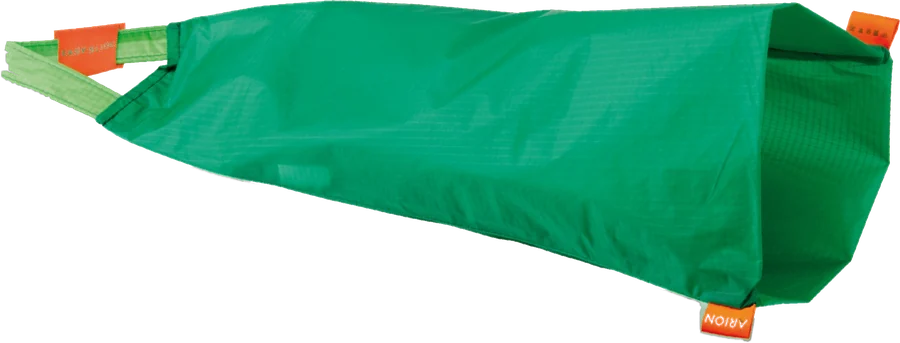
Arion Easy-Slide
For open-toe compression stockings and tights
The specially coated textile reduces friction as the garment passes over the foot, heel and leg. It can reduce the pulling effort required and may help minimise overstretching or damage from fingers and nails.
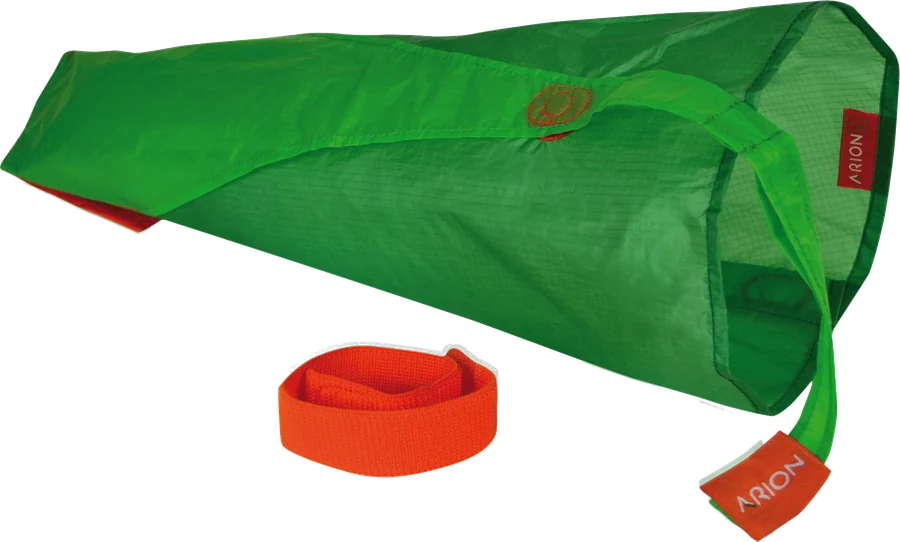
Arion Magnide
For open- or closed-toe compression stockings and tights
Its magnetic system helps hold the aid in position while the smooth textile reduces friction over the heel and limb. It is available in a range of sizes for different foot shapes and shoe sizes, including an XL option for wider feet.
Contains magnets. Keep at least 30 cm from pacemakers and defibrillators.
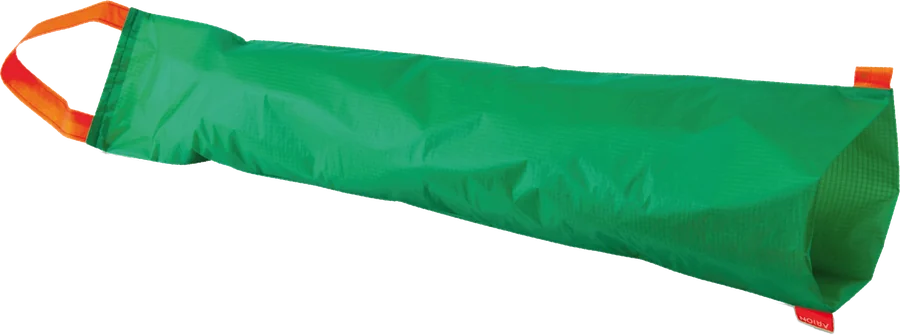
Arion Easy-Slide Arm
For medical compression arm sleeves
The smooth textile reduces friction while the arm sleeve is guided over the limb. It can support independent use or make application easier for a caregiver. Select the correct size using arm length and product circumference guidance.
Arion application-aid benefits
- Reduce friction and physical effort during donning.
- Support a more confident and independent daily routine where the person is able to use the aid.
- May help reduce overstretching, distortion and garment damage caused by pulling, fingernails or jewellery.
- Lightweight and compact options for stockings, tights and arm sleeves.
Arion has developed textile application aids for medical compression garments since the introduction of Easy-Slide in 1994. Standard Easy-Slide, Magnide and Easy-Slide Arm are donning aids. Removal is claimed only for the Arion products designed for it, such as Magnide 2in1 and Sim-Slide, which you will find on the Arion brand page.
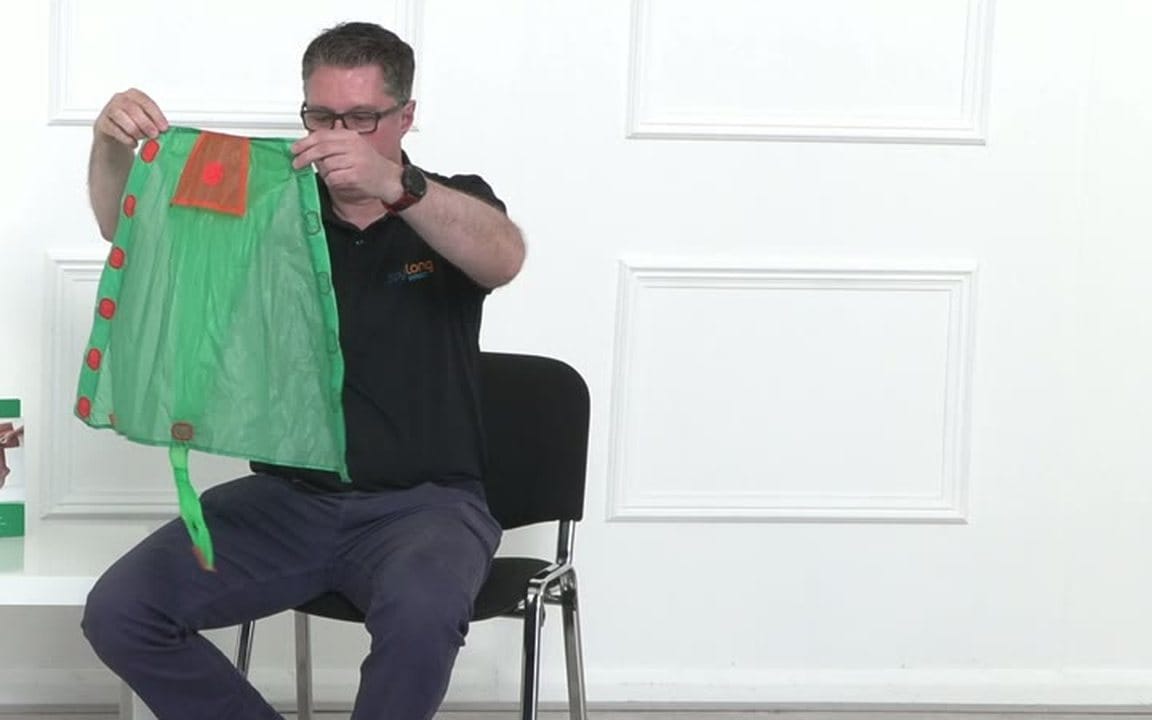
Prescribe with confidence
Select the aid only after assessing the patient, garment and person who will apply it. Demonstrate the technique and arrange review where needed. Current product codes and sizing are kept on each product page with a visible revision date.
Easy-Slide codes
Five sizes, XS to XL, selected by shoe size. Two arm sizes by arm length.
View Easy-Slide and Easy-Slide Arm codesMagnide codes
Three sizes, M to XL, selected by shoe size. XL also suits wider feet.
View Magnide codesPrescription request form
Downloadable and printable, for use from both the HCP and patient routes.
Clean PDF to followBefore completing the prescription, ask
- Can the patient reach the area?
- Do they have sufficient grip and strength?
- Can they apply the garment correctly?
- Are they relying on a carer?
- Is application causing pain or excessive effort?
- Would reducing friction make application easier?
Where an application aid is appropriate, consider prescribing it at the same time as the compression garment rather than waiting for application difficulties to develop.
Ordering and support routes
| Route | Who it is for | Where to go |
|---|---|---|
| NHS prescription dispensing | Patients with a prescription, and prescribers nominating Daylong Direct | Prescriptions and EPS nomination |
| Formeo | Participating healthcare services only. Not a public ordering route | Formeo |
| Trade or clinical order | Clinics and services ordering stock | Contact the Daylong Direct team |
| Patient purchase | Buying an aid without a prescription | Daylong shop |
Need help selecting or prescribing an application aid?
Daylong Direct can help with product-code queries, sizing resources, prescription supply and access to product instructions. Clinical suitability and the compression prescription remain the responsibility of the treating healthcare professional.
Think Applicator resources
Campaign materials, patient information, application guidance and the evidence supporting assessment of application at the point of prescribing. Items marked pending are being finalised.
For healthcare professionals
- Think Applicator campaign leafletEight-page A5 leaflet, printed November 2026. Web PDF to follow
- Application assessment prompt sheetOne page, for use at fitting. Pending
- Prescriber guide and prescription request formWith current product codes. Pending
- Sizing guides and instructions for useEasy-Slide, Magnide and Easy-Slide Arm. Fitting instructions (PDF)
- Official Arion product videos and transcriptsOn each product page. Pending
- Clinical evidence summaryFull references below.
- Patient Assist leafletFor use during fitting and follow-up. Current version (PDF)
For patients and carers
- Watch Matt's storyLiving with compression every day.
- Patient Assist guideChoosing, using and caring for an application aid. Current version (PDF)
- Step-by-step videosEasy-Slide, Magnide and Easy-Slide Arm, on each product page. Pending
- Frequently asked questionsSizing, cleaning, replacement and the Magnide magnet warning.
- How to request an aidOn prescription, or purchase through Daylong.
- Lymphoedema UnitedMatt's patient community. Opens in a new tab.
Evidence summary
| Source | What it says |
|---|---|
| Sippel et al. (2015) | In a small study of 40 people over 65 with severe chronic venous disease, 36 (90%) put on a closed-toe compression stocking with a donning aid, against 24 (60%) without one. One type of stocking was tested. |
| NICE HTG758 (2025) | Product choice should consider clinical suitability, needs and preferences, physical health, day-to-day activity, adherence, ability to apply the product and support at home. Additional items such as hosiery applicators should be offered when appropriate. |
| NICE CKS, compression stockings | Assess whether the person can put on and remove the garment. Reduced hand strength, arthritis and limited mobility can create practical difficulty; an aid, alternative garment or carer help may be needed. |
| Tandler (2016) | In a small local NHS service evaluation of 26 healthcare professionals, application difficulty was the most commonly identified reason for non-concordance. The paper reported application difficulty in 79% of patients. |
| Fletcher et al. (2024) | UK consensus guidance emphasises matching compression to the patient's therapeutic need, ability to don and doff, tolerance, motivation and personal goals. |
References
- Sippel K, Seifert B, Hafner J. Donning devices (foot slips and frames) enable elderly people with severe chronic venous insufficiency to put on compression stockings. European Journal of Vascular and Endovascular Surgery. 2015;49(2):221-229.
- National Institute for Health and Care Excellence. Compression products for treating venous leg ulcers: late-stage assessment. HealthTech guidance HTG758. Published 27 August 2025.
- NICE Clinical Knowledge Summaries. Compression stockings: management and compression garments.
- Tandler SF. Challenges faced by healthcare professionals in the provision of compression hosiery to enhance compliance in the prevention of venous leg ulceration. EWMA Journal. 2016;16(1):29-33.
- Fletcher J, Borthwick Y, Elwell R et al. Practical issues in applying compression garments and wraps for management of lymphoedema. Wounds UK and Journal of Lymphoedema, 2024.
- Arion Slide Solutions. Magnide and Magnide 2in1 instructions for use. TSS24-076, revision 09-2024.
One extra question could make a big difference.
When you prescribe compression, don't just consider what the patient needs to wear. Consider how they are going to put it on. Application may be affected by reach, grip, dexterity, mobility, pain, skin condition, limb shape, garment design and the support available at home.
The right application aid, correctly selected and demonstrated, can help reduce friction and effort and may support a more confident daily compression routine.
Contact Daylong Direct
0115 932 0144- Hours
- Monday to Friday, 9am to 5pm
- sales@daylongdirect.co.uk
- Prescriptions
- dac.fj708@nhs.net
- Web
- Contact form
If you have an urgent clinical concern about your compression, contact the healthcare professional who prescribed it.